This Month on Tybee
9 min read
Tybee Island in September 2026: Weather, Water & Beach Conditions
Late September on Tybee: mid-to-upper-80s heat, water that's still warm, afternoon storms, and a beach under sea-turtle rules. What the numbers actually say, where they come from, and what we won't guess at.
Edited by Chirag Tailor
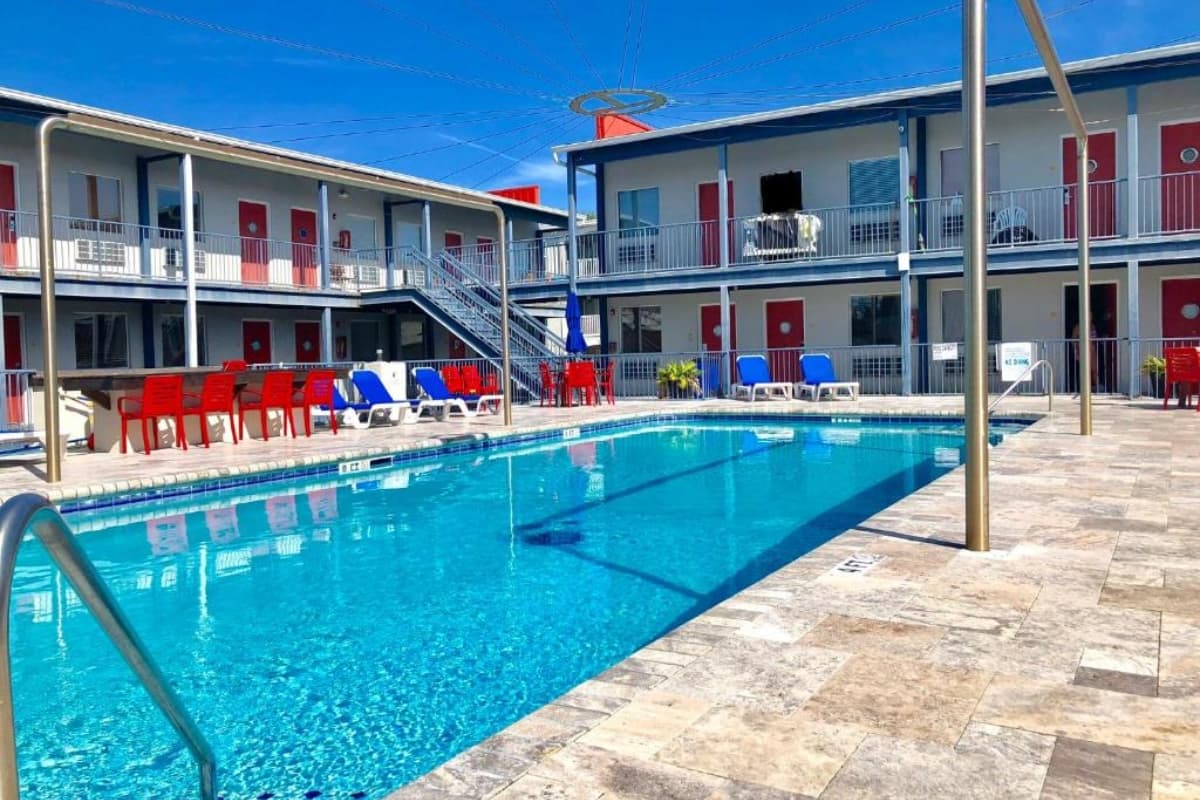
The autumnal equinox lands this week. Nothing on the island will notice. Late September on Tybee is the stretch where the crowds have gone and the summer has not, and that is a genuinely good deal if you know what you are walking into: warm water, a sun that still means it at midday, storms that build in the afternoon, and a beach operating under sea-turtle rules until the last nest is done.
This is the conditions post, not the calendar. The month's music, the Monday markets and the loggerhead going home off North Beach on the 26th are all in our September events roundup. What follows is weather, water, and what the sand asks of you, with sources where we have them and honest gaps where we do not.
The heat you'll read about is a Savannah number
Savannah's 1991–2020 climate normals put the September average high at 86°F and the average low at 69°F. Worth knowing where that comes from: it is the airport gauge, roughly 18 miles inland, and inland Georgia in September is a hotter, stiller place than a barrier island with the Atlantic against it. Tybee runs a touch cooler through the afternoon and holds its warmth longer overnight.
The month also slopes. The daily normal for September 6 was 88°F over 71°F, and the monthly average sits below that because the back half of the month is where the cooling finally shows up. By the last week you can feel it in the evenings more than the afternoons. Midday is still midday.
What the normals will not tell you is the humidity, which is the variable that actually governs how a day feels here. An 86-degree afternoon on the coast of Georgia does not behave like an 86-degree afternoon in a dry climate. It is heavier, slower, and much more persuasive about getting in the water. Locals arrange the day around it without thinking: beach and walking in the morning, something shaded or air-conditioned in the early afternoon, back out when the light goes long. Visitors who fight that rhythm tend to spend the middle of the day being defeated by it.
The water is still warm, and the number depends on where it was taken
The short answer is the useful one: the Atlantic off Tybee is typically in the low 80s in September. That is swimming water by any reasonable standard, and it stays that way well past the point when the beach empties out.
The longer answer is worth two minutes, because the number you find online depends entirely on which instrument produced it. NOAA maintains a water temperature gauge at Fort Pulaski, and on September 6 this year it read 87.1°F. That is a real reading from a real government sensor, and it is not the ocean. The Fort Pulaski station sits back behind the island on the river, where the water is shallower, moves over sun-warmed flats, and warms up in ways that open Atlantic water simply does not. Climate aggregators, measuring open water, put September in the low 80s. Both are honest. They are describing different bodies of water.
So do not plan a trip around a single figure, and be skeptical of any site that gives you one to the decimal. Look up a live reading the morning you go, notice which station it came from, and understand that river readings will flatter you. If the answer you actually need is "will this be cold," it will not be. Not this month.
Afternoon storms are the normal condition here
Storms in the afternoon are routine on this coast in September. We are not going to publish a rainfall normal, because we could not source one for September from a primary reference and a made-up inch count helps nobody. What we can tell you is the shape of it: mornings are more reliable than afternoons, and a day planned to put the beach first and the flexible stuff second is a day that mostly survives contact with the sky.
When lightning is in it, that means off the sand and off the pier, without negotiating. The pier is the most exposed place at this end of the island and the worst possible spot to wait one out.
Proximity is the practical answer, and it is the honest reason we bring it up. From the top of Tybrisa Street a storm costs you a walk of a block or two, not a drive and a parking decision. You go back, you sit it out, you check the radar, and you are back on the sand with an hour of good light left. Guests who have parked at a lot down-island make a different, worse calculation, which usually ends with the afternoon written off.
Hurricane season, stated plainly
The Atlantic hurricane season runs June 1 through November 30. NOAA's National Hurricane Center puts the climatological peak at September 10, with most basin activity falling between mid-August and mid-October. You can read the NHC's own climatology page directly, and we would rather point you at it than characterize it for you.
That is the whole fact, and it deserves neither drama nor a shrug. In practice it means two things for a late-September trip. Watch the forecast in the days before you travel rather than the week before, when a system is still a shape on a map. And book with cancellation terms you have actually read, wherever you are staying. Ask us directly if ours are not clear from the booking page. That is a normal question in September and nobody at the desk will find it strange.
The other piece of geography worth holding onto: US-80 is the only road on and off Tybee. It is 18 miles and 20 to 30 minutes to Savannah on a good day. When weather is genuinely in the forecast, that single road is the reason decisions here get made early rather than late.
What the sand asks of you this month
September is sea-turtle season, and the beach rules are different from the ones people remember from a July trip.
Hatchlings find the ocean by light. A bright beach confuses them, and a confused hatchling goes the wrong way. So after dark: lights off on the sand, no phone torch pointed down at the beach, and a red-filtered flashlight if you need to see where you are going. Red is what the turtle-season guidance asks for.
The hole rule matters just as much and gets ignored more. Fill in whatever you dug before you leave, and knock the castle flat while you are at it. An open hole is a hazard for anyone walking the beach at night and a trap for a turtle trying to reach the water. It takes thirty seconds.
Tybee's year-round rules are short and enforced:
- No dogs, on the beach or the pier, in any season.
- No glass. Cans and plastic only.
- No smoking.
Two things we would normally tell you and are not going to. The city's page covering Ocean Rescue's season and hours was not reachable when we checked, and we are not going to guess at when or where a beach is guarded, because that is exactly the kind of guess that gets someone hurt. If it matters to your plans, ask the city or the lifeguard stand on the day. The one piece we can state, because the island's own visitor information says so, is that the Back River has no lifeguards at all. Swim there accordingly.
The second gap: the city's beach rules page says nothing about tents, shade structures or fires, so we are not going to rule on them either way. Plenty of websites will give you a confident answer. Ask the city instead.
Packing for a late-September beach day
Short list, and everything on it earns its place:
- Swimwear you will actually get wet, because the water is warm enough that you will
- A rain layer that folds down small enough to live in a beach bag
- A hat, and more water than the walk seems to justify
- One light layer for the evening, which is the part of the day that has genuinely changed since August
- A red-filter flashlight, or the red screen filter on your phone, if you will be on the sand after dark
The pool, the courtyard, and where we actually are
Our outdoor saltwater pool is seasonal, and the honest position is that we are not going to print a closing date we have not confirmed. If the pool is part of why you are booking a late-September stay, call the front desk and ask, or check the current list on our amenities page. It is a one-minute question with a definite answer, which is more than a blog post can promise.
While we are being plain about the property: we are at the top of Tybrisa Street, steps from South Beach rather than on it, and no room here looks at the ocean. What we have instead is position. The sand, the pier and the restaurant strip are a block or two on foot, and in a month where the sky changes its mind at two in the afternoon, being able to walk back is worth more than a view would be. Our one-day South Beach plan is built around exactly that geography if you want the hour-by-hour version.
Booking the back half of September
The value case is straightforward. Summer demand has gone, the weather largely has not, and rates around the island are typically softer now than at peak season. We are not going to attach a number to that, because it moves week to week and anyone quoting you a percentage off the whole island is guessing. Our own standing special offers are fixed and simple: 10% off a two-night stay, 15% off three nights.
Parking is the other quiet saving. Public parking on Tybee is metered island-wide, and guests here park free on site, one car per room. In a month where the beach is this uncrowded and everything at this end is walkable, the car mostly sits.
Planning a late-September trip? Check availability, and take the forecast seriously three days out rather than three weeks. The rest of it, the water and the light and the emptiness of the beach on a Tuesday morning, tends to take care of itself.
FAQ
Common questions.
What is the weather like on Tybee Island in September?
Summer, mostly. Savannah's 1991–2020 climate normals put the September average high at 86°F and the average low at 69°F, measured at the airport about 18 miles inland. Tybee sits on the ocean and runs a little cooler by day and a little warmer overnight than those figures suggest. Expect mid-to-upper 80s with real humidity, easing through the back half of the month, and afternoon storms often enough that you should plan beach time for the morning.
Is the ocean warm enough to swim at Tybee Island in September?
Yes. Atlantic water off Tybee is typically still in the low 80s in September, which is comfortable swimming without a wetsuit or a debate at the tide line. Be careful which reading you trust, though: NOAA's Fort Pulaski gauge sits on the river behind the island rather than out in the surf, and it runs warmer than the open water off South Beach. It read 87.1°F on September 6, 2026. Check a live reading the morning you go rather than planning around one number.
Is September hurricane season on Tybee Island?
Yes. The Atlantic hurricane season runs June 1 through November 30, and NOAA's National Hurricane Center puts the climatological peak at September 10, with most basin activity falling between mid-August and mid-October. That is a reason to watch the forecast in the days before you travel and to book with cancellation terms you have actually read, not a reason to avoid the month.
Are there special beach rules on Tybee Island during sea-turtle season?
Yes, and September is squarely in it. Keep lights off the beach after dark, use a red-filtered flashlight instead of a white one or a phone torch, and fill in every hole you dig before you leave the sand. Tybee's year-round rules also apply: no dogs on the beach or the pier, no glass, and no smoking.
What should I pack for Tybee Island in late September?
Swimwear you'll actually use, a rain layer small enough to live in a beach bag, a hat, one light layer for the evening, and a red-filter flashlight or red screen filter if you plan to be on the sand after dark. Rain gear you use once still beats the alternative.
Planning a trip to Tybee?
We’re steps from Tybee Island’s South Beach — with a saltwater pool, complimentary parking, and free Wi-Fi.
Check Availability